

Calculating Zakat Harta: A Step-by-Step Guide
Learn how to calculate zakat on your wealth, including savings, investments, and business assets. Practical examples included.
Read GuideUnderstand how waqf endowments work in Malaysia. From property-based waqf to participating in existing waqf funds — we explain your options and how to get started.
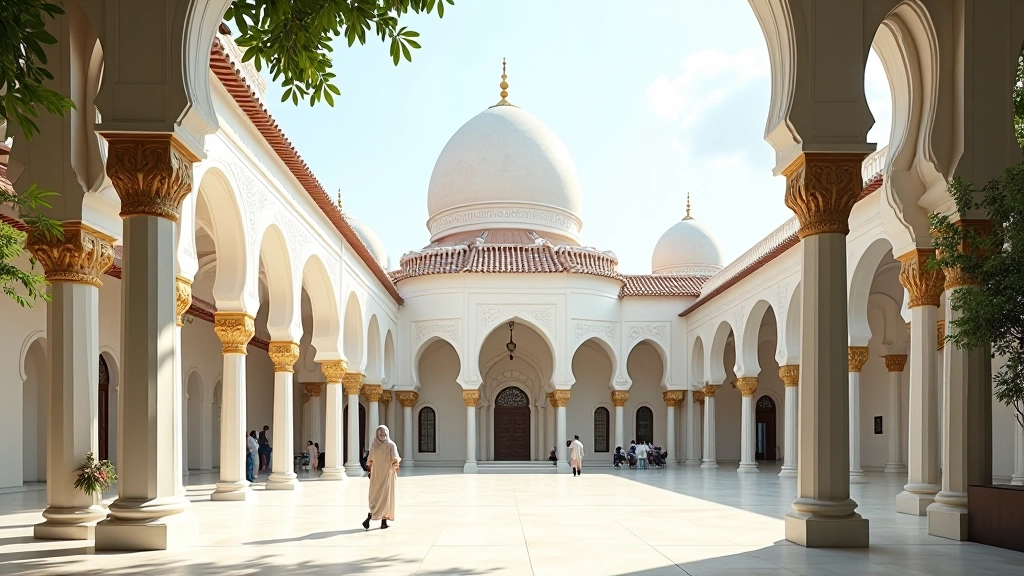
Waqf means “to stop” or “to hold” in Arabic. It’s not charity you give once — it’s something you dedicate permanently. A waqf endowment is an asset (usually property or money) that you transfer to benefit the community indefinitely. The key thing? It stays out of your estate. Once you make a waqf, it belongs to Allah, and the proceeds benefit people in need — whether that’s funding schools, mosques, hospitals, or student scholarships.
In Malaysia, waqf isn’t just a religious concept anymore. It’s becoming a serious wealth-building and legacy tool. We’re talking about registered waqf funds, waqf real estate portfolios, and community investment models. But here’s what confuses people: waqf seems complicated. You don’t need to own property or have massive wealth to participate. That’s the thing we’ll unpack today.
“Waqf isn’t about giving away your money. It’s about creating something that works for your community long after you’re gone.”

Malaysia recognizes several waqf structures. You don’t have to own land to participate in one.
This is the traditional one — land, buildings, or commercial property dedicated as waqf. You register it with the state Islamic authority. Returns go to your chosen beneficiaries. But it requires significant capital to start. If you have a property worth RM400,000+ and want it generating income for your community forever, this works.
Modern. You contribute money (sometimes as little as RM100) to a pooled waqf fund managed by an Islamic institution. Your contribution gets invested — real estate, sukuk bonds, business partnerships. The fund distributes returns to designated beneficiaries. Much more accessible than property waqf.
In Malaysia, this is still evolving. Some scholars debate whether waqf can have an end date. However, certain Islamic institutions offer time-bound waqf arrangements — perhaps 30 or 50 years of dedicated returns. It’s between permanent and regular charity.
Look, waqf isn’t mandatory like zakat. It’s optional. But there’s real appeal here. When you make something waqf, you’re creating a continuous income stream that benefits people you care about — your family, your community, specific causes — for generations. The wealth doesn’t get fragmented across heirs in inheritance disputes. It stays intact and working.
In Malaysia, waqf donations get tax deductions in many states. You’re reducing your taxable income while building a lasting legacy. Some employers even offer waqf matching programs now. Plus, Islamic scholars say there’s ongoing reward (sawab) attached to waqf — the benefit you receive continues even after you pass away. That’s different from regular charity, which ends when you give it.
Real example: A teacher in Selangor contributed RM50,000 to a cash waqf fund in 2019. Six years later, the fund has grown and distributed over RM180,000 to scholarship programs. Her original amount stays dedicated, generating returns indefinitely.

The process isn’t as intimidating as it sounds. Here’s what actually happens.
Are you doing cash waqf (smaller, easier) or real property waqf (larger commitment)? If cash, you might choose an established waqf fund run by a bank or Islamic foundation. If property, you need clear ownership and a professional valuation.
Choose the bank, foundation, or awqaf (waqf administrator) managing the fund. They handle investment and distribution. Decide: Does your waqf benefit family? Students? The poor? A specific mosque? Religious education? Your choice determines everything.
For cash waqf, you sign a waqf deed with the institution. Takes maybe 30 minutes and a few hundred ringgit in fees. For property waqf, you’ll need a lawyer to draft the deed and handle state registration. This is non-negotiable — proper documentation protects your intention.
The waqf institution usually handles this, but you’re registering your waqf with your state’s Islamic department (Jabatan Agama Islam Negeri). This makes it official and gives legal protection. Registration is free or minimal cost. You get a certificate confirming your waqf status.

Once waqf is established properly (documented and registered), it’s permanent. You can’t just take it back. That’s the whole point. But you CAN change who benefits from it, or how it’s managed, if circumstances change drastically — with permission from Islamic authorities. It’s not impossible, just intentionally difficult.
This is why you choose established, regulated institutions. Banks offering cash waqf funds are supervised by Bank Negara. Large foundations have been operating for decades. Your waqf asset itself is protected — it’s legally separate from the institution managing it. Even if they collapse, the waqf stays intact and gets transferred to another qualified administrator.
Yes. You can designate family as beneficiaries. Many people create waqf specifically for their children’s education, or to support a family member in financial need. It’s not considered favoritism — it’s strategic. Your family gets support, and the wealth stays in Islamic framework instead of being divided through inheritance.
Waqf isn’t separate from your zakat or sadaqah. It’s part of a complete Islamic wealth strategy. Here’s how they work together.
You calculate 2.5% of wealth annually and distribute it to eight categories of recipients. Zakat is mandatory. It’s about immediate need — feeding hungry people, helping poor families now.
Any amount, anytime. Could be money, time, advice, even a smile. Sadaqah is flexible and personal. No minimum. No calculation needed. Pure intention-based giving.
Permanent dedication creating ongoing benefit. It’s the long game — wealth working for decades or centuries. Often larger amounts, but creates generational impact.
Here’s a realistic scenario: You earn RM200,000 annually. You set aside RM5,000 for zakat (calculated properly). You give RM2,000-3,000 in monthly sadaqah. And you dedicate RM100,000 as cash waqf, contributing monthly increases to it. You’re covering all three obligations simultaneously. Waqf doesn’t replace zakat — it complements it.
Malaysia has several credible waqf providers. The landscape has grown significantly since 2015. You’re not limited to one choice anymore.
Maybank Islamic, CIMB Islamic, Bank Islam, OCBC Al-Amin. They offer structured cash waqf funds with minimum contributions starting RM100. Professional management, transparent reporting, AAOIFI compliant.
Yayasan Waqaf Malaysia, Perbadanan Awqaf Negeri (state waqf bodies), Tabung Waqaf Nusantara. These handle both cash and property waqf. Established for decades. Direct connection to state Islamic authorities.
Organizations like Waqaf Capital, emerging fintech-style waqf platforms. Smaller but growing. Tech-enabled, transparent dashboards, lower fees sometimes. Verify they’re registered with your state Islamic department.

Waqf isn’t something you rush into. It’s worth discussing with family, consulting Islamic scholars, reviewing your overall financial picture. But if you’re thinking about legacy — about creating something that benefits people long after you’re gone — waqf deserves serious consideration.
Start small if you need to. RM100 monthly into a cash waqf fund is completely valid. Experience it. See how the system works. Build from there. Many people don’t make their major waqf commitment until they’ve seen how smaller waqf works for a few years.
The beautiful thing about waqf? It connects your wealth to Islamic principles directly. It’s not just money disappearing. It’s wealth being channeled toward education, healthcare, community support — according to your values and your chosen beneficiaries. That’s powerful.
Contact your Islamic bank or state waqf foundation for a consultation. They’ll walk you through what makes sense for your situation.
Get in TouchThis article is educational information about waqf structures and processes in Malaysia. It’s not financial advice, legal advice, or Islamic ruling. Waqf involves complex legal, financial, and religious considerations that vary by state and individual circumstance.
Before establishing any waqf, consult with qualified Islamic scholars, financial advisors, and legal professionals in your state. State Islamic departments have specific requirements. Your personal situation may require different approaches. We’re explaining how waqf generally works — not prescribing what you should do.
Explore related topics in Islamic financial planning
Learn how to calculate zakat on your wealth, including savings, investments, and business assets. Practical examples included.
Read Guide
Confused about which zakat applies to you? We explain the timing, amounts, and practical differences between both types.
Read Comparison
Sadaqah isn’t just about money. Discover how small acts of charity — advice, kindness, knowledge — create real impact daily.
Explore Principles